


Mitigating coronavirus spread.
All employees must…
Practice good hygiene
- Stop handshaking – use other non contact methods of greeting
- Stay 6 feet away from others
- Clean hands at the door and schedule regular hand washing reminders every 30 min
- Create habits and reminders to avoid touching your face
- Cover all coughs and sneezes with barriers such as cloths or masks
- Disinfect surfaces like doorknobs, tables, desks, and handrails regularly (look @ full list)
- Increase ventilation by opening windows or adjusting air conditioning
- Use opposite hand for touching objects than for touching body parts
Be careful with meetings and travel
- Text coworkers, customers, and providers before you have to see them.
- Complete purchases, and arrange for package pick up without getting closer than 10 feet – Disinfect all packages before loading them in vehicles
- Have meetings in open spaces or well ventilated spaces (outdoors preferable)
- Use videoconferencing for meetings when possible
- Consider adjusting or postponing all large meetings, events, or gatherings
- Assess the risk of business travel, customer contact, and training events
Handle food carefully
- No food or drinks are to be shared
- Clean and sanitize all dishes before used
- Don’t share utensils or dishes
- Any food handling staff should wear PPE including but not limited to mask, globes, hair nets, and or sanitized uniform
Stay home if….
- You are sick or feeling funny
- Anyone in the house is sick
- Anyone you have been in close contact with in the past 14 days is sick
- You live with a person older than 60 years of age or immunocompromising illnesses
“Community mitigation is the set of actions that persons and communities can take to help slow the spread of respiratory virus infections.” CDC
As a company we recommend periodical chemical/mechanical desinfections to buildings, surfaces, and items in and around living and working environments. All businesses should undergo initial disinfection and periodical chemical treatments.
NOTE: Fabrics cannot be disinfected, so they must be sanitized. All hard surfaces must be disinfected.
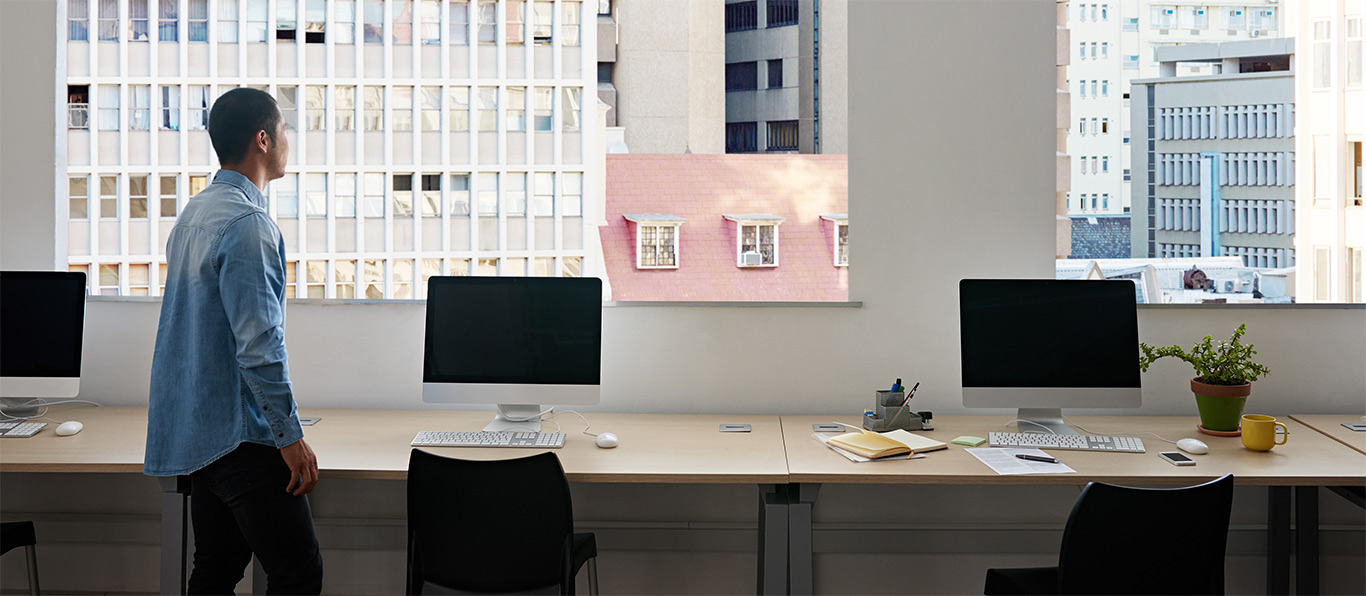
Sample of spaces that need to be disinfected and periodically cleaned to help control the spread
| Supermarkets | Churchs | Restaurants | Offices | Retail |
| Warehouses | Daycares | Adult facilities | Event Venues | Hotels/Resorts |
Areas to treat in buildings
| Ceilings | Walls | Floors | Kitchens | Bathrooms |
| Rooms | Doors | Windows | Basements | Stairs |
| Elevators | Garages | Decks/Patios | Laundry Rooms | Toy Rooms |
Items to treat in buildings
| Light Switches | Paper Towel | Napkin dispensers | Door Knobs | Floors-Hard Surfaces/Wood |
| Food contact Surfaces | Tables and Chairs | Countertops | Electronic equipment | Desks |
| Push Doors | Salt and Pepper Shakers | Sink Hardware | Faucets | Soap Dispensers |
| Tabletops | Bathroom Stalls | Water Fountains | Books | Carpets |
| Chairs | Computers & Mouse | Bed Frames/Rails | Mattress | Exercise Equipment |
| Games | Hard Toys | Mats/Rugs | Pillows | Plush Toys |
| Common Telephones | Office Equipment | Diaper-Change Stations | Handrails | Playground Equipment |
| Patient Apparatus | Nurse Stations | Toys | Cars/Vehicles | Sport Equipment |
This is not an all-inclusive list. There may be other items in a building/facility that need to be cleaned and disinfected. Any shared items, high-touch items, and items that have been or likely have been contaminated by touch or droplets must be cleaned and Disinfected.
